Discover Customized Fotona Laser Treatments in Encino, CA
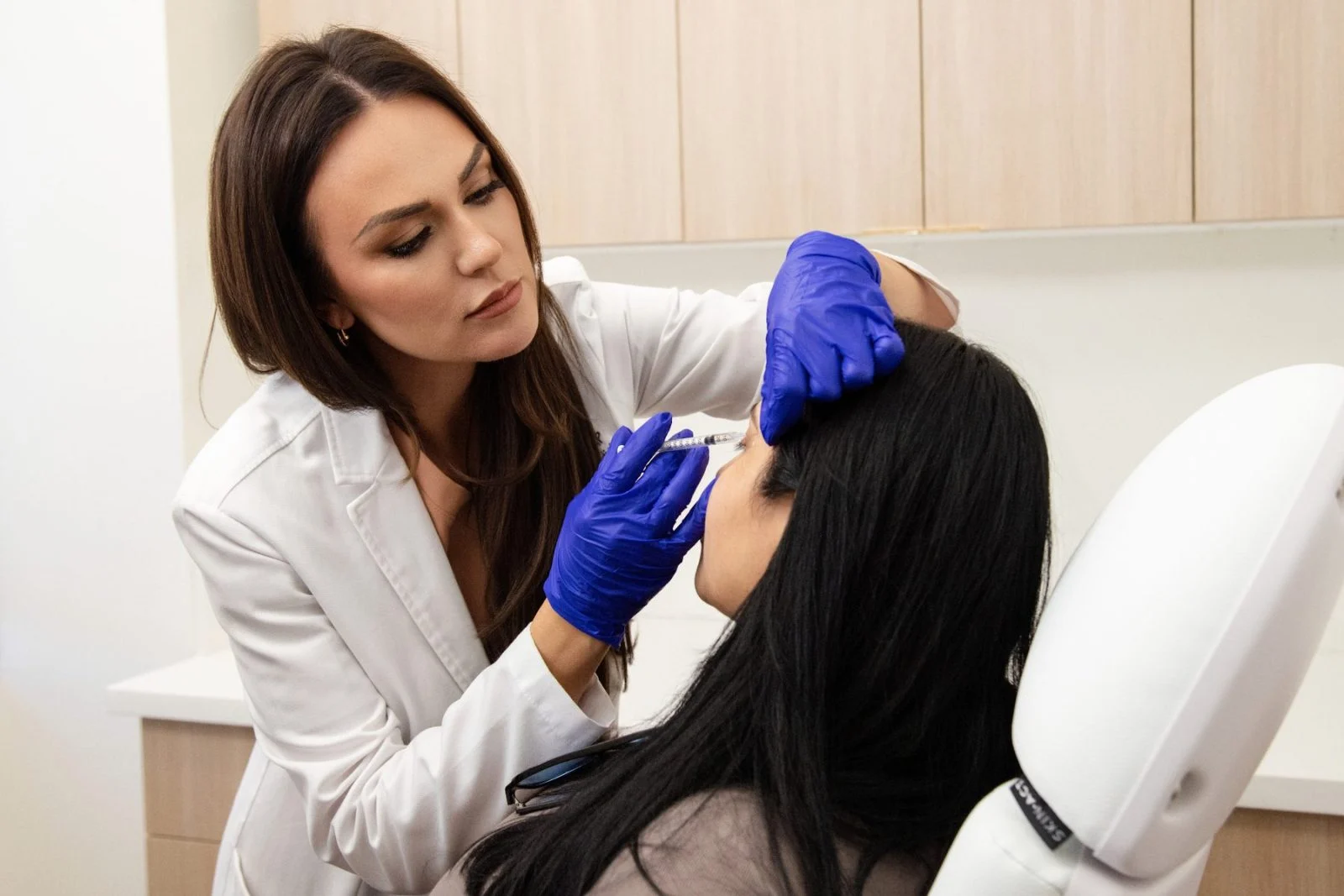
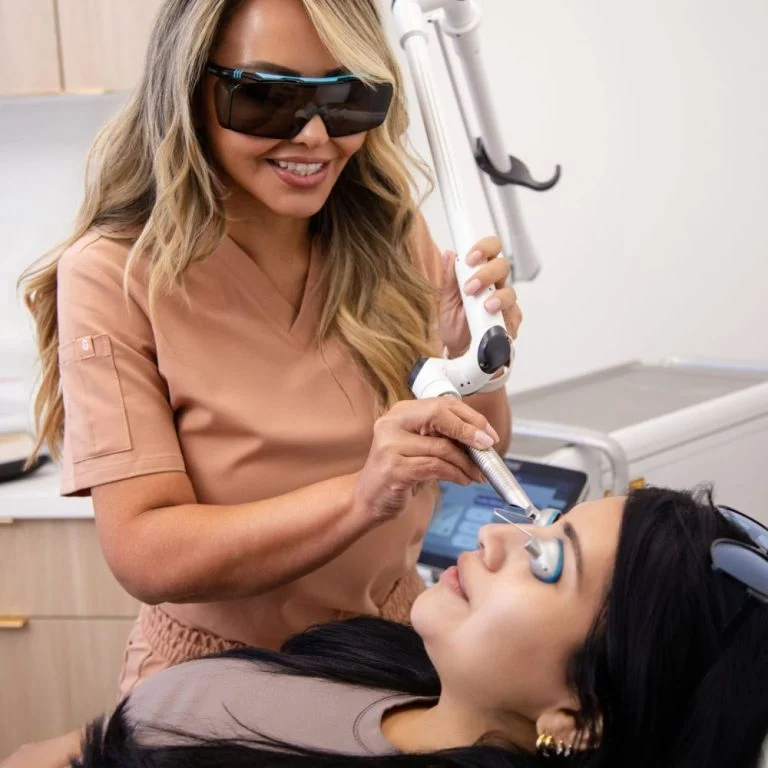
Choosing a laser treatment should feel less like buying a trend and more like building a plan. Skin behaves differently from person to person, concerns overlap, and the best outcomes usually come from customization rather than a one size fits all package. That is exactly why Fotona has earned so much attention in aesthetic practices. The platform gives providers room to tailor treatment settings, combine approaches, and work with different skin and tissue concerns without forcing every patient into the same protocol.
For people exploring Fotona Laser Treatments Encino, CA, the appeal often starts with versatility. A single technology platform can be used for skin rejuvenation, acne scar support, texture refinement, tightening, pigmentation concerns, vascular issues, and even certain noninvasive gynecologic and oral applications depending on the practice and provider expertise. The more important point, though, is not the menu of possibilities. It is how those possibilities are adjusted to the individual sitting in the chair.
In a place like Encino, where patients often want visible improvement without looking overdone, that flexibility matters. Some people want brighter skin before a major event. Others are trying to soften years of sun exposure. Some are concerned about laxity around the jawline, crepiness under the eyes, acne scarring, or uneven tone that makeup never quite disguises. A thoughtful Fotona treatment plan can be built around those priorities, your tolerance for downtime, your skin type, and the pace at which you want to see change.
What makes Fotona different from many other laser options
Fotona is not one single treatment in the way many people imagine. It is a laser platform that can use different wavelengths and treatment modes for different objectives. That distinction matters because it changes how a provider thinks through your care. Instead of asking, “Are you a candidate for this one procedure?” the better question becomes, “Which combination of settings, passes, and treatment depths best suits your skin and goals?”
In practice, that often means a provider can work more precisely. One patient may need superficial resurfacing for dullness and fine texture. Another may benefit more from deeper thermal stimulation aimed at collagen remodeling. Someone with early laxity may need tightening support rather than aggressive resurfacing. A patient with redness or visible capillaries may require an entirely different strategy than someone focused on acne scars.
Experienced clinicians appreciate that flexibility because skin concerns rarely exist in isolation. Sun damage comes with rough texture. Acne scars often coexist with pigmentation. Early aging can show up as both laxity and dullness. When technology allows treatment to be layered intelligently, results usually look more balanced and more believable.
This is also where unrealistic expectations need a reality check. Even excellent laser work does not turn back time overnight, erase every pore, or replace surgery when surgery is truly indicated. What it can do, in the right hands, is create measurable improvement in tone, texture, tightness, clarity, and overall skin quality. For many patients, that is exactly the sweet spot they want.
Why customization matters more than brand recognition
People often arrive at consultations having researched a device name, not a treatment philosophy. The device matters, but the plan matters more. Two patients can receive Fotona treatments and have completely different experiences because the settings, treatment sequence, number of sessions, and aftercare guidance are tailored differently.
Customization usually begins with the basics that should never be rushed. Skin type, degree of sun damage, melasma history, active acne, scarring pattern, medication use, recent tanning, cold sore history, and tolerance for downtime all affect planning. So does timing. A patient preparing for a wedding in six weeks needs a different approach than someone who is willing to invest in a six month series with progressive improvement.
In Encino, where many patients juggle work, family, social events, and camera ready expectations, downtime is often a deciding factor. Some want subtle rejuvenation with little interruption to routine. Others are willing to schedule a few recovery days if it means stronger resurfacing. There is no universally correct choice. The smart choice is the one that aligns with your goals and your real life.
A seasoned provider will also talk about trade-offs. More intensity can mean more swelling, redness, peeling, or social downtime. Gentler settings may fit better into a busy schedule but often require a series for cumulative benefit. That kind of candid conversation is a good sign. It shows the practice is managing expectations rather than overselling.
Common concerns Fotona treatments may address
The broad appeal of Fotona comes from the range of concerns it can target. The exact offerings vary by practice, but patients commonly seek treatment for age related texture changes, fine lines, early skin laxity, acne scars, enlarged appearing pores, uneven tone, redness, and signs of photodamage. Certain providers also use Fotona protocols for lip enhancement without filler, scalp support in hair restoration plans, snoring related soft palate applications, and women’s wellness treatments when appropriate.
What is worth emphasizing is that response differs by concern. Fine textural roughness may improve relatively quickly. Deeper acne scars often need patience and multiple sessions. Laxity can improve, especially mild to moderate laxity, but dramatic skin redundancy is a different category. Pigmentation can be complex, particularly in patients prone to melasma or post inflammatory hyperpigmentation. Good treatment planning accounts for all of this before the first pulse is ever delivered.
I have seen the best results when patients focus less on a single flaw and more on overall skin quality. A smoother, brighter, firmer complexion often reads as healthier and younger even if every line is not erased. That global improvement is one of the reasons well customized laser care tends to age better than overtly aggressive interventions.
The consultation should feel detailed, not rushed
If you are considering Fotona Laser Treatments Encino, CA, the consultation is where quality becomes obvious. A strong consultation does not feel like a sales script. It feels diagnostic. The provider should look at your skin in different lighting, ask about your history, discuss your concerns in plain language, and explain which outcomes are realistic.
Photos are often part of the process, and they should be. Patients forget baseline details surprisingly fast. Minor changes become easier to appreciate when side by side images show texture, redness, pore appearance, and tightening over time. Good photography also helps a provider refine future sessions rather than repeating the same approach automatically.
You should expect a conversation about preparation and recovery as well. That includes sun exposure, active skincare ingredients, recent cosmetic procedures, and whether you are prone to cold sores if the treatment area includes the mouth. Those details are not administrative trivia. They directly affect safety and outcomes.
A useful consultation often covers these questions:
- What specific concern am I treating first, and what improvement is realistic?
- How many sessions are typically recommended for my skin and goals?
- What will recovery look like over the first few days?
- Are there risks for pigmentation changes, especially with my skin tone or history?
- What skincare or sun precautions should I follow before and after treatment?
If those questions are answered clearly, patients usually feel much more comfortable moving forward.
What treatment day often looks like
Laser appointments vary depending on the protocol, but most follow a fairly calm rhythm. The skin is cleansed, photos may be reviewed, and topical numbing may be applied if the planned treatment warrants it. Not every Fotona session requires extensive numbing. Some are quite tolerable with cooling and good technique. Others, especially more intensive resurfacing style sessions, benefit from extra comfort measures.
During treatment, sensation is usually described as warmth, snapping, prickling, or short bursts of heat. The intensity depends on the area, depth, and purpose of the session. Around bony areas or thinner skin, patients may feel more sensitivity. Skilled providers tend to talk patients through the process, adjust pacing, and watch tissue response closely rather than treating the face like a flat surface.
Session length can range from fairly quick to more involved. A focused treatment may take well under an hour. A broader combination session can take longer when numbing and post treatment care are included. Most patients appreciate knowing this in advance so the day does not feel unpredictable.
Immediately after treatment, it is common to see redness and warmth similar to a moderate sun exposure, though the intensity varies. Some protocols leave the skin looking pink for a day or two. Others produce swelling, roughness, or bronzing that can last longer before sloughing resolves. Social downtime is not always dramatic, but it should be discussed honestly rather than minimized.
Recovery is where results are supported or undermined
Post treatment care is not glamorous, but it makes a visible difference. Patients who follow instructions carefully usually heal more smoothly and protect their investment better. Those who return immediately to active exfoliants, pick at flaking skin, or underestimate sun exposure can create problems that were avoidable.
For most facial laser patients, the early recovery period revolves around barrier support, gentle cleansing, moisturizer, and diligent sun protection. Heat exposure matters too. Long hot showers, intense workouts, saunas, and direct sun immediately after treatment can worsen inflammation in some cases. Makeup timing depends on the protocol and your provider’s instructions.
The practical side of aftercare usually comes down to a few essentials:
- Keep the skin clean, calm, and well moisturized.
- Use broad spectrum sun protection consistently, even on cloudy days.
- Avoid exfoliants, retinoids, and irritating actives until cleared to restart.
- Do not pick, scrub, or rush peeling skin.
- Contact the office if healing seems uneven, unusually painful, or prolonged.
Those basics sound simple because they are, but they are often where the difference between a smooth recovery and a frustrating one starts.
Matching the treatment to the patient, not the patient to the treatment
This is where experience shows. A provider with a deep understanding of laser medicine knows when to be aggressive and when restraint is the better choice. Not every patient benefits from the strongest possible setting. Someone with sensitive skin, a history of hyperpigmentation, or a major event coming up may do better with a gentler staged approach. Someone else with significant textural damage and a flexible schedule may choose a more intensive protocol with greater downtime.
Skin tone deserves special attention. The phrase “safe for all skin types” is often used too casually across the aesthetics industry. While many patients with a broad range of skin tones can be treated successfully, the approach must be thoughtful. Melanin rich skin may require modified parameters, slower escalation, stricter pretreatment, or a different sequence of care to reduce the risk of pigment complications. A provider who speaks confidently but specifically about that is usually far more reassuring than one who gives generic promises.
There is also the question of combination care. Laser results can be enhanced by good skincare, sun discipline, and in some cases pairing with other treatments at appropriate intervals. The order matters. Timing matters. Overlapping procedures too aggressively can irritate skin and delay healing. Sensible long term planning almost always beats stacking treatments just because a calendar has openings.
Realistic timelines, realistic expectations
One of the most useful things a provider can do is explain when improvement usually appears. Some changes are visible quickly. Skin may look fresher, smoother, or more reflective once immediate healing settles. Collagen related benefits take longer. Tightening and remodeling are gradual. A patient may notice the first shift within weeks, then continue to see gains over a few months depending on the treatment style.
Acne scars are a Fotona Laser Treatments Encino, CA good example of why patience matters. Rolling scars, boxcar scars, and mixed textural irregularities rarely transform after a single session. They often improve incrementally, and those increments add up. The same is true for longstanding sun damage. Better texture and tone can emerge in layers. Patients who understand that tend to stay engaged and far less anxious.
Maintenance is another honest part of the conversation. Skin keeps aging. Sun exposure accumulates. Hormones change. Lifestyle shows up on the face over time. That does not mean treatments “did not work.” It means results need to be maintained sensibly. Some patients return for periodic touch ups. Others combine seasonal treatment with strong daily skincare. The right rhythm depends on the individual.
Why local expertise in Encino matters
There is value in seeing a practice that understands its patient population and local lifestyle. Encino patients are often balancing visible results with minimal disruption. They may spend plenty of time driving, outdoors, or moving between work meetings and social commitments. Sun exposure in Southern California is a practical issue, not a theoretical one. That influences timing, aftercare, and long term planning.
A local provider experienced with Fotona Laser Treatments Encino, CA will often be especially aware of those patterns. They know that many patients cannot disappear for a week. They know people may schedule around travel, events, school calendars, or filming and photography obligations. They also tend to know how to counsel patients who are diligent in many areas of life but inconsistent with SPF, which is more common than most people admit.
That local perspective can make the entire experience smoother. It affects scheduling, treatment intensity, recovery planning, and how candidly a provider talks about sun risk in the months after treatment.
How to judge whether a practice is the right fit
The right practice usually reveals itself in small but meaningful ways. The staff does not pressure you into same day decisions. The consultation feels specific to your face and history. Risks are discussed plainly. Downtime is described realistically. Before and after photos, if shown, reflect a range of outcomes rather than only dramatic transformations on ideal candidates.
Pay attention to whether the provider can explain why they are recommending a particular Fotona approach instead of speaking in broad marketing language. Good laser medicine is technical, but it should still be understandable. You do not need every engineering detail. You do need confidence that your treatment parameters are being selected thoughtfully and that someone is watching your skin response rather than following a preset package.
It also helps to ask what happens if your skin needs adjustment along the way. Strong practices do not treat a course of sessions as fixed from the start. They reassess. If you heal more reactively than expected, they modify. If improvement is excellent and steady, they may continue or refine. That flexibility is often what separates polished outcomes from average ones.
The bigger picture: investing in skin quality
What many patients eventually realize is that the real benefit of laser treatment is not simply chasing one isolated flaw. It is building better skin. Better skin reflects light more evenly. It tolerates makeup better, and sometimes needs less of it. It looks healthier in person, not just in filtered photos. That kind of improvement tends to have more staying power because it is based on quality, not camouflage.
Fotona can be a valuable tool in that effort when the treatment is customized, the provider is experienced, and expectations are grounded in reality. Some patients will want subtle refreshment. Others will want a more ambitious plan. Both can be valid. The key is that the treatment should fit the person, not the other way around.
For anyone researching Fotona Laser Treatments Encino, CA, the best next step is not simply booking the nearest appointment. It is finding a provider who evaluates your skin carefully, explains your options honestly, and designs a plan with judgment. That is where good technology becomes meaningful care, and where promising treatment becomes a result you can actually recognize in the mirror.
OMNIA Wellness Center
Address: 16430 Ventura Blvd Ste 207, Encino, CA 91436
Phone number: +18183868511
FAQ About Fotona Laser Treatments Encino, CA
What is a Fotona laser good for?
A Fotona Laser system is a versatile, dual-wavelength medical laser used primarily for non-surgical skin tightening, anti-aging rejuvenation, and dermatological treatments.
How much does the Fotona laser cost?
The cost of a Fotona laser depends heavily on whether you are looking to purchase a laser machine for a medical practice or are a patient seeking a laser treatment at a medspa.
Is a Fotona laser worth it?
A Fotona laser treatment is generally worth it if you want non-surgical skin tightening, improved texture, and collagen stimulation with very little downtime.