Exploring Advanced Fotona Laser Treatments in Encino, CA
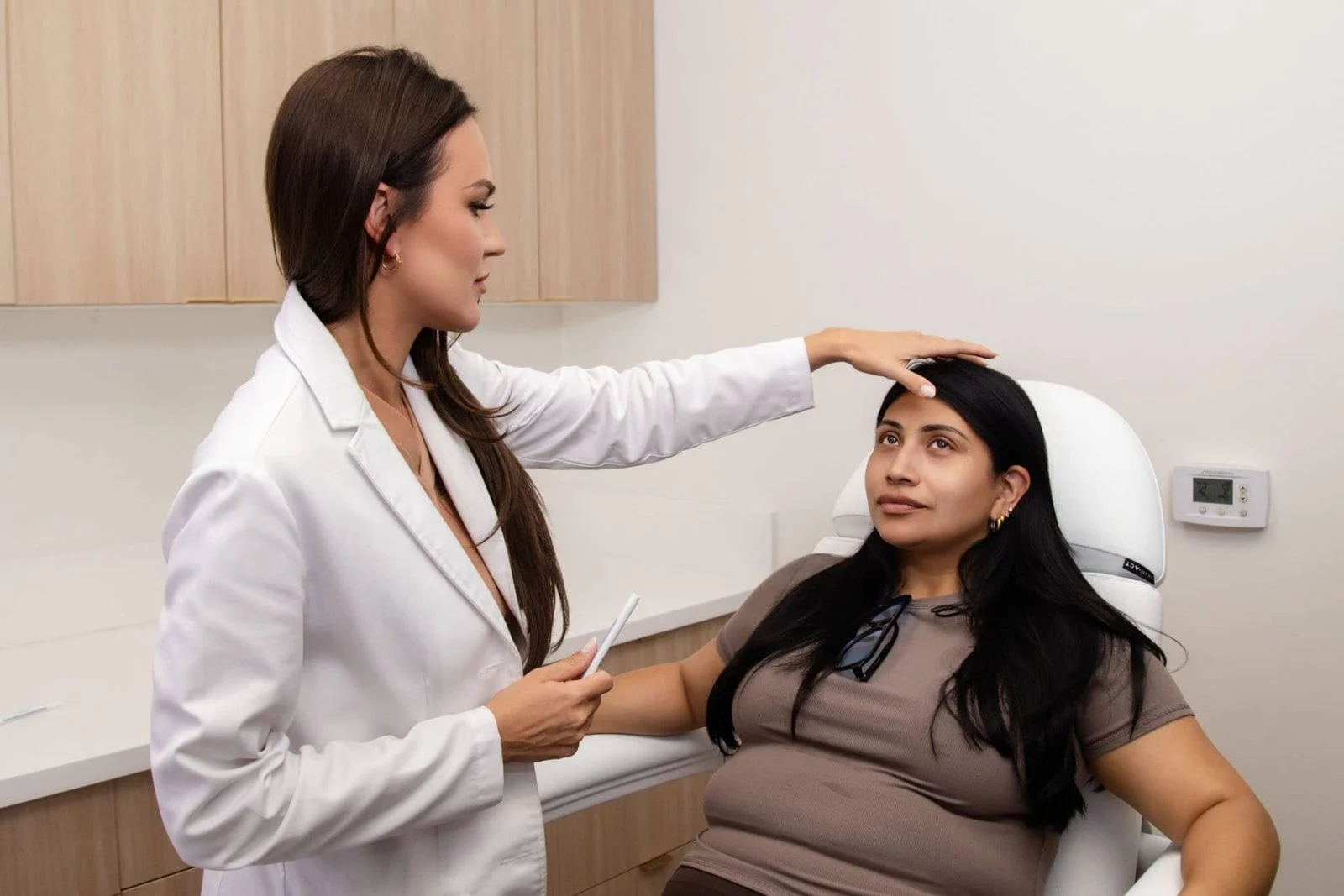

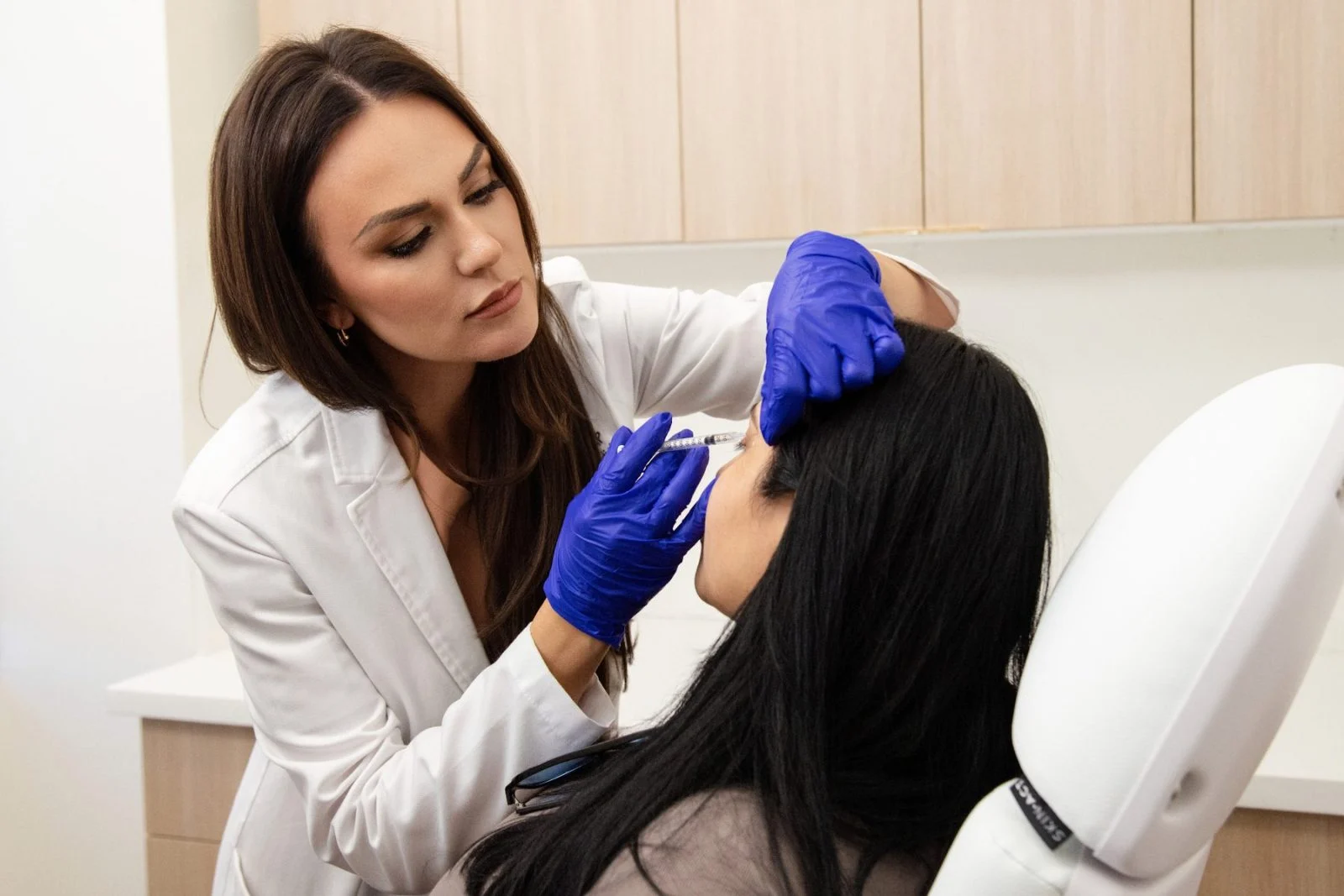
Patients who ask about laser treatments today are often better informed than they were even five years ago. They arrive with screenshots, before-and-after galleries, and a rough sense of what they want fixed, whether that is persistent redness, laxity around the jawline, acne scarring, uneven tone, or the texture changes that tend to show up all at once after forty. What they usually do not have is clarity on the differences between platforms. That matters, because not all lasers work the same way, and not all treatment plans are built with the same level of precision.
Fotona has earned attention for exactly that reason. Rather than offering a single narrow use, advanced Fotona systems are designed to address a broad range of aesthetic and functional concerns through controlled, targeted energy delivery. In a market crowded with device names and marketing claims, that versatility is one of the reasons patients seeking Fotona Laser Treatments Encino, CA keep hearing the name from reputable aesthetic practices.
Encino is a particularly interesting place to talk about laser medicine. The patient population tends to be active, image-aware, and practical. People want meaningful results, but they also care about downtime, safety across different skin presentations, and whether a treatment can be tailored rather than delivered as a one-size-fits-all package. In that environment, Fotona stands out less because it is trendy and more because it can be used thoughtfully.
Why Fotona continues to attract serious attention
The strongest laser platforms tend to last because they give practitioners room to work with nuance. Fotona systems are known for using complementary wavelengths that can be selected based on the tissue target and the desired response. That point may sound technical, but it has very real consequences in the treatment room. It means a provider can often customize depth, intensity, and treatment style with far more control than patients realize.
For someone with mild skin laxity and rough texture, that may mean a rejuvenation plan focused on collagen stimulation with minimal interruption to daily life. For another patient with acne scars and sun-related pigment irregularity, it may mean a staged approach where resurfacing, textural refinement, and vascular correction are considered separately rather than lumped together. Good outcomes usually come from that kind of discrimination.
Another reason these treatments have traction is that they sit in a middle ground many people want. They can do more than topical skin care and many basic facials, yet they are often less invasive than surgery. That does not make them casual. It simply means there is an appealing category of treatment for patients who want visible improvement without committing immediately to a full operative intervention.
What “advanced” really means in practice
The term advanced gets overused in aesthetics, so it helps to make it concrete. In the context of Fotona, advanced usually refers to the range of indications the technology can address, the precision of its settings, and the ability to combine treatment modes in ways that serve a specific clinical goal.
An experienced provider might use Fotona for skin tightening, resurfacing, scar revision, vascular concerns, pigmentation management, and even treatments that involve tissue remodeling beyond the face. The details depend on the exact system and handpieces available, but the broader point remains the same. This is not a machine that does one thing well and little else. It is a platform that supports layered decision-making.
That distinction matters because skin concerns are rarely isolated. A patient may describe “aging around the mouth,” but what the eye actually sees is a blend of fine lines, textural creasing, volume change, and some degree of laxity. Another patient may complain about “dull skin,” when the real issue is a combination of uneven keratinization, sun damage, enlarged pores, and low-grade redness. Advanced treatment means recognizing the components and choosing the right intervention for each.
Common concerns treated with Fotona systems
The range of concerns addressed with Fotona is broad, though candidacy always depends on skin assessment, medical history, and goals. In real practice, the most frequent conversations tend to center on concerns like these:
- fine lines and wrinkles, especially around the eyes, mouth, and forehead
- skin laxity along the lower face, neck, and jawline
- acne scars and textural irregularities
- sun-related pigmentation changes and uneven tone
- redness or vascular visibility in select cases
Even that list needs context. A patient with etched upper lip lines may do well with a resurfacing-focused approach, while someone bothered by early jawline softening may be better served by a tightening treatment with little visible downtime. A scar patient may need several sessions spaced strategically, with expectations set around improvement rather than perfection. The same brand can address all three scenarios, but not through the same settings or schedule.
The appeal for patients in Encino
Encino patients often want treatments that can fit into a normal routine. Many are balancing work, family, social commitments, and exercise. A treatment that delivers some benefit but requires two weeks of hiding at home will have a very different reception than one that allows someone to return to meetings within a day or two. Fotona’s flexibility is useful here because providers can often choose between gentler protocols and more aggressive resurfacing, depending on priorities.
Climate and lifestyle also matter. Southern California sun exposure is not theoretical. Even patients who wear sunscreen usually have cumulative photodamage, particularly on the face, chest, and neck. This shows up as uneven tone, roughness, fine wrinkling, and loss of elasticity earlier than many expect. Laser medicine in Encino therefore tends to focus not only on correction, but also on maintenance. Patients are often not looking for a dramatic once-in-a-lifetime intervention. They want a plan that helps them age well over time.
There is also a sophistication factor. Patients in this area are less impressed by generic promises and more likely to ask pointed questions. How many sessions will I need? What does recovery actually look like on day three? Will I peel? Is this safe for my skin type? What if I am prone to post-inflammatory pigmentation? Those are good questions, and they favor technologies that allow measured, individualized planning.
A closer look at treatment categories
Fotona treatments can be used in very different ways, and that is where consultations either become meaningful or remain superficial. It helps to think in categories rather than in slogans.
Tightening and collagen stimulation
One major use of Fotona technology is non-surgical tightening. This tends to attract patients in their late thirties through sixties who are noticing that skin no longer snaps back the way it once did. The common complaints are subtle at first. Makeup settles differently around the mouth. The lower face appears heavier in photographs. The neck starts to show fine creasing, then a looser look under certain lighting.
Laser-based tightening works by delivering thermal energy that stimulates collagen remodeling. This process is gradual. Patients who expect a surgical facelift effect from Fotona Laser Treatments Encino, CA one session are usually disappointed, while those who understand the biology tend to be pleased. The response unfolds over weeks and often improves with a planned series. In the right patient, the result is not an artificial pulled look. It is a fresher, firmer version of the existing face.
One practical point that experienced clinicians often emphasize is that mild to moderate laxity responds much better than advanced tissue descent. If the jowling is pronounced or neck banding is severe, laser tightening may still help, but it may not be enough on its own. Honest screening prevents a lot of frustration.
Resurfacing for texture and lines
This is where many patients first see the power of a laser platform. Resurfacing targets the upper layers of skin and can improve rough texture, acne scarring, enlarged pores, superficial lines, and overall tone. The degree of intensity matters tremendously. There is a meaningful difference between a light refresh before an event season and a deeper treatment intended to tackle longstanding textural damage.
Patients sometimes underestimate the importance of aftercare here. The treatment itself may take less than an hour, but the quality of healing over the next several days influences both comfort and final result. Good cleansing, barrier support, sun avoidance, and adherence to post-treatment instructions are not optional details. They are part of the procedure.
It is also worth saying plainly that resurfacing is often where provider skill becomes highly visible. Too conservative, and the result may be underwhelming. Too aggressive for the skin type or clinical context, and recovery may be prolonged or complicated. Good judgment is not glamorous, but it is what keeps advanced technology working in the patient’s favor.
Scar revision and texture refinement
Acne scars are emotionally loaded. Many patients have spent years trying peels, microneedling, radiofrequency, subcision, fillers, and home products before they ever sit down for a laser consultation. Some of them are ideal candidates for Fotona-based treatments. Others need combination therapy because scars are structurally varied. Rolling scars, boxcar scars, and residual discoloration do not behave the same way.
That is one of the places where expectations need careful handling. Laser treatment can soften edges, improve texture, and reduce contrast between scarred and surrounding skin. It can do a lot. What it usually cannot do is erase a decade of acne history in one appointment. When patients understand that progress often occurs over several sessions and that scar remodeling is gradual, satisfaction tends to be much higher.
Pigment and vascular concerns
Uneven tone is one of the most common cosmetic complaints in Southern California, and with good reason. Chronic UV exposure, hormonal influences, post-acne marks, and age-related changes all contribute. Certain Fotona applications may help address some of these concerns, though the exact suitability depends on the type of pigmentation, the patient’s skin characteristics, and whether heat could worsen the issue.
This is especially important when melasma is part of the picture. Many patients describe all brown discoloration as “sun spots,” but melasma behaves differently and can be stubborn. An experienced provider will not promise easy clearance if the biology does not support it. In some cases, laser may be part of the plan. In others, a more conservative strategy is safer.
Redness and superficial vessels can also come up in consultation. Again, appropriate use depends on the specific presentation. The best clinics do not force every concern into the laser category. They assess whether laser is the right tool or simply one option among several.
What a strong consultation should cover
The quality of the consultation often predicts the quality of the overall experience. A rushed, sales-heavy visit tends to flatten important distinctions. A thorough consultation, on the other hand, helps patients understand not just what can be done, but why a given plan makes sense.
At a minimum, a thoughtful consultation should address the following:
- your primary concern and how it breaks down clinically, such as texture, laxity, pigment, redness, or scarring
- your skin history, including prior procedures, tendency to scar, pigmentation risk, and active conditions like acne or rosacea
- realistic timelines for results, including how many sessions may be needed
- expected downtime, visible healing stages, and aftercare responsibilities
- alternatives, including when another treatment category might serve you better
One detail that often gets overlooked is seasonality. A patient planning aggressive resurfacing right before a beach vacation in Malibu has created a preventable problem. Likewise, someone training outdoors for a race may need to schedule around sun and sweat exposure. In Encino, those practical realities are not side issues. They directly affect recovery and outcomes.
Recovery is where expectations often drift
Laser treatment conversations frequently focus on the appointment itself, but recovery is what most patients remember. Even relatively tolerable procedures can feel stressful if someone expected to look camera-ready the next morning and instead develops redness, warmth, swelling, or a sandpaper-like texture for several days.
Downtime exists on a spectrum. Some Fotona protocols are often described as “lunchtime” treatments because patients can return to normal activities quickly, though even then there may be transient flushing or sensitivity. More intensive resurfacing can involve several days of social downtime and a longer period of visible improvement as the skin renews itself.
This is where blunt communication helps. If a patient has a wedding in five days, the answer may be to postpone or choose a lighter treatment. If a patient works on camera, the provider should discuss exactly how makeup, redness, or peeling may look on day two or three. These are not small details. They shape satisfaction as much as the technical result.
Safety, skin type, and the importance of individualized settings
One of the most common mistakes in aesthetic medicine is talking about lasers as if they are interchangeable and universally appropriate. They are not. Settings that are appropriate for one person may be too aggressive for another, even when both are healthy and have similar concerns. Skin type, recent tanning, medication use, inflammation history, and healing patterns all influence treatment selection.
This is particularly relevant in diverse communities where skin tones and pigmentation risks vary. Any energy-based treatment must be chosen and delivered with care to reduce the chance of unwanted pigment change. That does not mean patients with more melanin are automatically excluded. It means the evaluation must be careful and the protocol must respect the biology of the skin being treated.
Experienced clinicians also know when not to proceed. Active infection, uncontrolled acne flares, certain photosensitizing medications, recent sunburn, or a major event too close on the calendar may all justify delaying treatment. A practice willing to postpone is often a practice worth trusting.
How Fotona fits into a broader aesthetic plan
The most successful laser outcomes rarely happen in isolation. They are often part of a bigger strategy that may include skin care, injectables, scar-focused interventions, pigment management, or maintenance treatments spaced over time. That is not upselling by default. It is often a reflection of how multifactorial cosmetic concerns really are.
A patient with lower-face laxity may benefit from laser tightening, but if volume loss is pronounced through the midface, a small amount of filler may create balance the laser alone cannot. A patient with acne scarring may need subcision before resurfacing can truly shine. Someone trying to treat pigment while continuing inconsistent sun protection is going to sabotage progress. These realities do not diminish Fotona. They place it accurately within modern aesthetic medicine.
That broader view is especially useful for patients interested in Fotona Laser Treatments Encino, CA because local practices often serve people who have already tried several interventions. The question is not whether laser is good in the abstract. The question is whether it is the right move now, at this stage, for this combination of concerns.
Choosing the right provider in Encino
Technology matters, but the provider matters more. The same platform can produce elegant, natural-looking improvement in one setting and mediocre results in another. What separates those outcomes is usually assessment, restraint, technical experience, and a willingness to match the treatment to the patient rather than to a sales package.
When evaluating a practice, listen for specificity. Do they explain why they are recommending a particular protocol? Do they discuss the likely number of sessions instead of implying everything happens in one visit? Are they transparent about recovery? Do they talk about skin prep and aftercare? Can they distinguish between treating laxity, lines, discoloration, and scars, rather than presenting “laser rejuvenation” as a vague catch-all?
There is also value in asking what they would not treat with the laser. Competence often reveals itself through limits. A provider who can explain where surgery, injectables, topical therapy, or another device might outperform Fotona is usually approaching your face with clinical judgment rather than brand loyalty.
The patient experience, when done well
When Fotona treatment is well chosen and well performed, patients often describe the result in understated ways. They say they look less tired. Their skin looks smoother in daylight. Their jawline photographs better. Makeup sits more evenly. Friends Fotona Laser Treatments Encino, CA notice that they look refreshed without being able to identify what changed.
Those are meaningful outcomes. The best aesthetic work often lives in that space, visible enough to matter, subtle enough to remain believable. In Encino, where many patients want polish rather than drama, that profile makes sense.
There is no single “best” laser for every person and every concern. But there are technologies that give skilled providers more options, more control, and more ways to tailor treatment responsibly. Fotona has earned its place in that conversation. For patients considering Fotona Laser Treatments Encino, CA, the real advantage lies not only in the device itself, but in how intelligently it is used. When the consultation is thorough, the plan is realistic, and the treatment matches the biology of the skin in front of the provider, laser medicine can be both sophisticated and deeply practical.
OMNIA Wellness Center
Address: 16430 Ventura Blvd Ste 207, Encino, CA 91436
Phone number: +18183868511
FAQ About Fotona Laser Treatments Encino, CA
What is a Fotona laser good for?
A Fotona Laser system is a versatile, dual-wavelength medical laser used primarily for non-surgical skin tightening, anti-aging rejuvenation, and dermatological treatments.
How much does the Fotona laser cost?
The cost of a Fotona laser depends heavily on whether you are looking to purchase a laser machine for a medical practice or are a patient seeking a laser treatment at a medspa.
Is a Fotona laser worth it?
A Fotona laser treatment is generally worth it if you want non-surgical skin tightening, improved texture, and collagen stimulation with very little downtime.