Fotona 4D Laser Facial (TimeWalker) for Early Signs of Aging
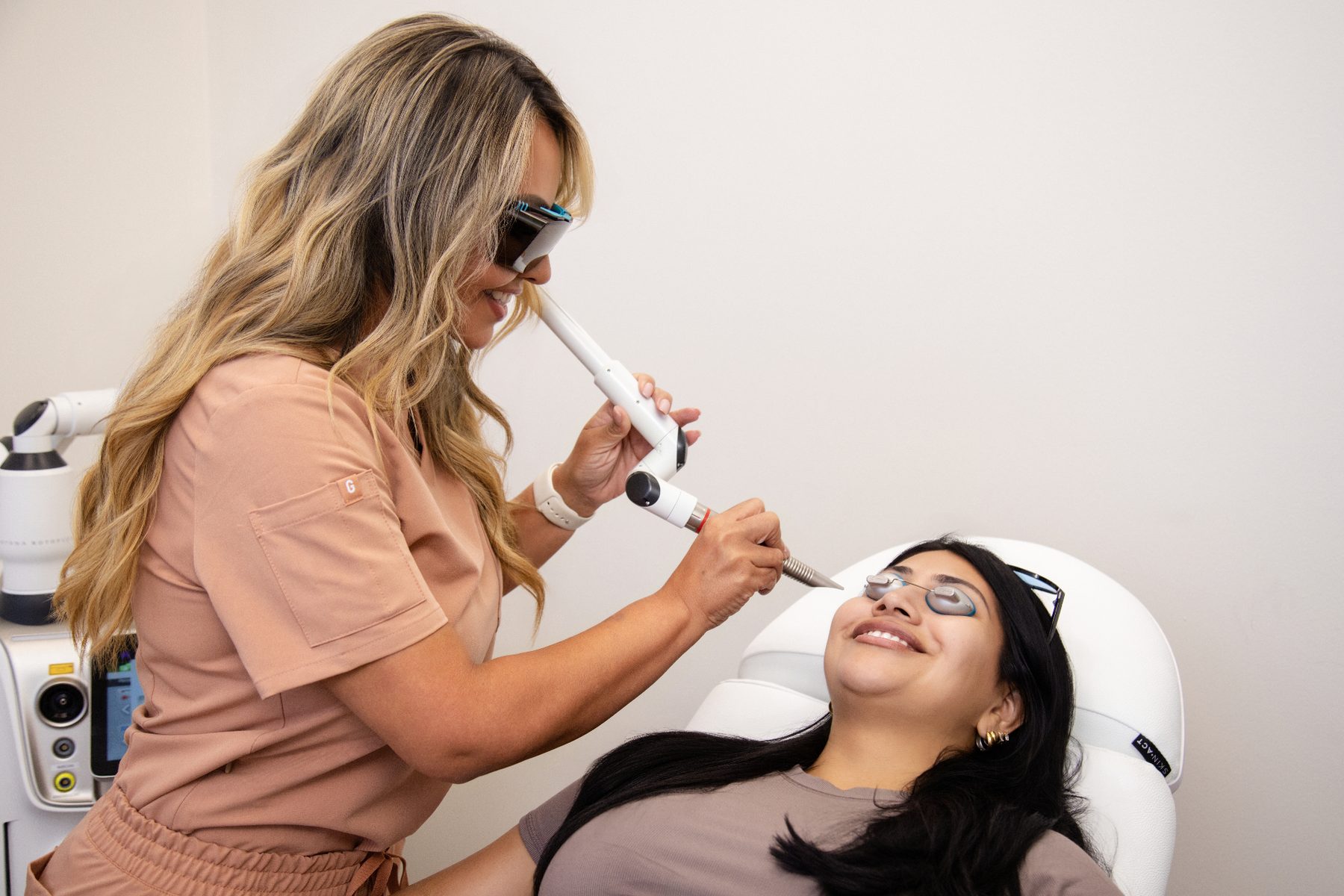
Early aging rarely arrives as a dramatic event. Most people notice it in fragments. Makeup starts settling around the mouth. The under-eye area looks a little more hollow after a poor night’s sleep. Smile lines linger longer than they used to. The skin can still look healthy overall, but the freshness is not quite as effortless.
That is the stage where the Fotona 4D Laser Facial (TimeWalker) tends to make the most sense. It sits in a useful middle ground. It is more active than a basic facial or a light exfoliating peel, yet it does not force the level of downtime many people associate with deeper resurfacing lasers. For the right patient, that balance is its appeal.
What makes this treatment different is that it does not rely on a single pass or a single target. It combines several laser modes, each chosen to address a different layer or concern. Instead of treating early aging as one surface problem, it works from the inside of the mouth outward, then across deeper tissue, superficial pigment, and fine texture. When done well, the result is not a dramatically altered face. It is a fresher version of the same face, with a little more lift, smoother texture, and better light reflection from the skin.
Why early intervention matters more than most people think
By the time static wrinkles are deeply etched and skin laxity is obvious from across the room, noninvasive options become less predictable. They can still help, but the gains are often smaller relative to the effort and cost. Early signs of aging are different. The collagen framework is beginning to thin, not yet fully depleted. The skin still has reserve. Blood flow, turnover, and elasticity can still be nudged back in a favorable direction.
This is where collagen-stimulating treatments shine. A person in their thirties or early forties with mild creasing, enlarged pores, soft jawline laxity, or a tired under-eye area often responds better than someone seeking correction of advanced sagging. In practice, these patients usually want improvement without looking “done.” They are not asking for volume that changes their facial identity. They want their skin to behave more like it did a few years ago.
The TimeWalker platform was designed with that type of patient in mind. It can support prevention and subtle correction rather than chasing a full reversal of advanced aging.
What the treatment actually is
The Fotona 4D Laser Facial is a multi-step laser treatment performed with two wavelengths commonly used in aesthetic medicine, Nd:YAG and Er:YAG. Different clinics may adjust the sequence slightly, but the classic concept has four dimensions, or four modes of treatment, each serving a specific role. That is where the “4D” name comes from.
One of the more distinctive parts is the intraoral step, where the laser is used inside the mouth along the cheeks and around the perioral area. This sounds more intimidating than it feels, but it allows heat to reach tissue in a direction that topical treatments simply cannot. That can improve support around the nasolabial folds and marionette area without needles or added filler.
The external steps then target deeper tissue tightening, superficial complexion issues, and light resurfacing. The treatment often ends with a polishing pass that gives the skin a more refined look over time. It is not unusual for patients to notice an immediate brightness from mild swelling and tissue contraction, followed by gradual improvement over several weeks as collagen remodeling continues.
The four parts, in plain English
Although treatment protocols vary, the four-step design usually includes internal tightening, deep bulk heating, fractional or piano-style tightening, and gentle resurfacing. Names can differ by machine settings and branding, but the core principle remains the same.
The intraoral phase is often the most talked about because it is unusual. The laser handpiece is used inside the mouth to heat the mucosal tissue. This can stimulate collagen in the area supporting the mid and lower face, especially near smile lines. For patients who are just starting to see folds form around the mouth, this step can be surprisingly helpful.
A second phase targets deeper dermal tissue from the outside, using controlled heat to stimulate tightening. This is not the same as surface ablation. The goal is to warm the deeper layers enough to trigger remodeling while leaving the top layer relatively undisturbed.
Another phase works more superficially, often helping with texture, pore appearance, and fine etched lines. The final pass may lightly polish the skin, giving it a smoother look and helping with that slightly rough, fatigued skin quality that often develops with early aging.
The art lies in selecting the right intensity. Too light, and the patient gets a nice glow with little staying power. Too aggressive, and the downtime may defeat the point of choosing a gentler rejuvenation treatment. Experienced operators know that early aging responds best to thoughtful restraint rather than maximal settings across every pass.
The kinds of aging changes it addresses best
This treatment is not equally effective for every concern. It tends to perform best on subtle to moderate quality issues rather than severe structural aging. The ideal candidate usually has enough collagen left to stimulate, and enough elasticity left to tighten.
The signs that often respond well include:
- Fine lines around the mouth and eyes
- Mild skin laxity in the cheeks or jawline
- Early nasolabial fold softening needs
- Rough texture and visible pores
- Dullness from slow skin turnover
For someone who still looks youthful but notices creeping changes in photos, those are the moments when this treatment can be worthwhile. It is less likely to replace a lifting procedure in someone with heavier tissue descent, prominent jowls, or significant neck laxity.
What a treatment session feels like
The patient experience matters because many people hear “laser” and assume severe pain or a week hidden at home. That is usually not the reality with this facial, though discomfort varies depending on settings and individual sensitivity.
Most sessions begin with cleansing and photos. Some clinics use topical numbing for selected areas, while others rely on cool air and brief passes because parts of the treatment are tolerable without heavy numbing. The intraoral portion feels warm and a little strange, more than sharply painful. The deeper tightening phases often create bursts of heat. The resurfacing pass can feel pricklier, especially over thinner skin or around the mouth.
A full session may take anywhere from about 45 minutes to 90 minutes depending on the treatment area, whether the neck is included, and how customized the protocol is. Immediately after, the skin is commonly pink and warm, much like a moderate sun exposure. Mild swelling is common, particularly around the cheeks and under-eye region if those areas were treated. Some people return to normal activities the same day. Others prefer a day or two before social events.
What patients often appreciate is that the recovery is usually manageable. There may be roughness, faint grid-like dryness, or a bronzed texture for several days depending on the resurfacing component. It is rarely the kind of dramatic peeling seen with stronger ablative treatments, but it is also not a lunchtime facial in the simplistic sense sometimes used in marketing.
Results, timing, and what is realistic
The first visible change is often brightness. Skin can look smoother and slightly tighter in the first week because of mild swelling, increased circulation, and superficial refinement. The more meaningful changes usually appear gradually, often over four to twelve weeks, as collagen remodeling takes place.
Patients frequently ask whether one session is enough. Sometimes, yes, especially for maintenance or very early changes. In many cases, a series of three treatments spaced a few weeks apart gives a better result than a single session. That is particularly true for texture, pores, and fine lines. For tissue tightening, some patients notice the best change after the second or third treatment rather than the first.
Durability depends on age, sun exposure, smoking history, hormonal status, skincare, and how aggressive the settings were. A patient in their late thirties with good skin habits may enjoy visible benefit for many months and then return once or twice a year for maintenance. A patient with heavy sun damage or active collagen loss may need more frequent upkeep.
The key point is expectation management. This treatment can refresh and refine. It does not produce the same endpoint as surgery, nor does it mimic the volume effect of filler in hollow areas. When people understand that from the start, satisfaction is usually higher.
Where it sits compared with other popular options
People considering the Fotona 4D Laser Facial (TimeWalker) are often comparing it to microneedling, RF microneedling, IPL, fractional laser resurfacing, and injectables. Each has a different lane.
Microneedling is useful for texture, mild scars, and general collagen support, but it does not offer the same intraoral tightening component. RF microneedling can tighten more aggressively in some cases, especially for thicker skin and early lower-face laxity, though downtime and discomfort may be greater. IPL helps redness and pigment but does little for tightening. Traditional fractional ablative lasers can improve lines and texture more dramatically, but they typically involve more downtime and stricter aftercare. Fillers can soften folds immediately, yet they do not improve overall skin quality in the same way and can be overused if applied to a face that really needs collagen stimulation instead.
In practice, the TimeWalker approach is often best for patients who want multi-layered rejuvenation without committing to the stronger recovery associated with more aggressive resurfacing. It is also appealing to those who want some support around the mouth but do not want filler in that region.
Who tends to love it, and who usually needs something else
The happiest patients usually share a few traits. They have early signs of aging rather than advanced descent. They care about skin quality as much as wrinkle depth. They understand gradual improvement and are open to a series. They also tend to have relatively healthy skin barriers and realistic timelines.
Patients who expect a one-time dramatic lift often end up underwhelmed. So do those with heavier jowling, pronounced neck bands, deep etched upper lip lines, or substantial volume loss in the midface. Those issues may need a different plan, sometimes combining biostimulatory injectables, filler, deeper resurfacing, energy devices with stronger tightening profiles, or surgery.
Skin type matters too. The platform can be used across a range of skin tones, but settings must be chosen carefully, especially in patients prone to post-inflammatory hyperpigmentation. This is not the treatment to chase bargain pricing with an inexperienced provider. Laser judgment matters at least as much as the machine itself.
The importance of provider technique
Machines do not create outcomes on their own. A well-trained operator can make a versatile laser look excellent. A poorly trained one can produce bland results or unnecessary irritation.
The first thing I look for in a provider is whether they talk about your face in layers rather than selling a machine. If the consultation is mostly branding language and before-and-after photos without discussing skin thickness, laxity pattern, pigment risk, downtime tolerance, and treatment sequencing, that is not a strong sign.
A good practitioner adjusts settings according to anatomy. The under-eye area, upper lip, cheeks, jawline, and neck all respond differently. So do patients with rosacea, melasma tendencies, or compromised barriers from overuse of retinoids and exfoliants. Good laser work is rarely one-size-fits-all.
A thoughtful consultation should cover:
- Your main concern, whether it is texture, lines, laxity, or brightness
- Your skin type and pigment risk
- How much downtime you can realistically accept
- Whether one treatment or a series is more appropriate
- What the laser can improve, and what it cannot
That level of specificity usually predicts a better experience than any promotional package deal.
Downtime and aftercare, without the fluff
Aftercare for this treatment is usually straightforward, but it does matter. Patients who do best are the ones who treat their skin gently for several days rather than trying to resume every active ingredient immediately.
The skin commonly feels warm the first day and slightly dry or rough for a few days after. A bland moisturizer, gentle cleanser, and strict sunscreen are the basics. Heat exposure should be limited for a short period, which means avoiding very hot workouts, steam rooms, or prolonged direct sun right away. If there is a resurfacing component, makeup may need omniawellnesscenterencino.com Fotona 4D Laser Facial (TimeWalker) to wait until the skin settles, depending on the intensity used.
What often sabotages results is not the laser itself, but post-treatment behavior. People pick at dry skin, restart retinoids too soon, or underestimate sun sensitivity. Even a good treatment can be undone by a week of careless UV exposure, particularly in someone prone to pigmentation.
Cost, value, and whether it is worth it
Pricing varies widely by city, provider level, and how comprehensive the session is. A treatment that includes only a lighter facial pass should not be priced the same as a fully customized face and neck protocol with all four components. In many markets, people can expect anything from the mid hundreds to the low thousands per session, with series packages lowering the per-treatment price.
Whether it is “worth it” depends on what you are trying to buy. If you want dramatic correction of advanced aging, the value may feel poor because the endpoint will be modest. If you want prevention, refinement, and a visible but not obvious reset, the value can be excellent.
I often tell patients to think in terms of trajectory rather than transformation. Some treatments change where your skin is headed. They do not make you look like a different person next week, but they may help you avoid chasing heavier interventions too early. For a certain kind of patient, that is money well spent.
Pairing it with other treatments
One of the strengths of the Fotona 4D Laser Facial (TimeWalker) is that it fits into broader treatment plans. Early aging is rarely a single-issue problem. A patient may have fine lines, some broken capillaries, a bit of volume loss, and mild skin laxity all at once. No laser corrects every one of those perfectly.
This is why combination planning matters. A person might do a TimeWalker series for tightening and texture, then add small-dose neuromodulator for expression lines, or a conservative amount of filler only where true volume loss exists. Another might combine it with pigment-focused treatments in a separate session if sun spots are the main cosmetic distraction. Timing matters, and good clinics stage treatments rather than piling everything into one visit.
When combination care is sensible, results often look more natural because each modality is doing a small, appropriate part of the job.
The subtle psychological appeal
There is another reason this treatment has grown in popularity among patients with early signs of aging. It respects facial identity. Many people are not interested in looking younger in the abstract. They want to look less tired, less worn, less washed out. They want colleagues to say they look well, not ask what they had done.
That distinction matters. Treatments that improve skin quality often read as health rather than intervention. Better reflection of light from smoother skin, a bit more firmness around the mouth, and a slightly tighter cheek contour can make a face look more awake without changing its shape. For professionals, parents, and anyone who wants privacy around cosmetic work, that subtlety is often the deciding factor.
Questions worth asking before you book
A smart consultation is less about persuasive sales talk and more about matching the treatment to the problem. Ask how much of your concern is due to texture versus laxity versus volume loss. Ask what kind of downtime the clinic typically sees with the settings they use. Ask whether your skin tone or pigment history changes the plan. Ask to see results in patients close to your age and concern level, not only dramatic transformations that may involve multiple modalities.
Most importantly, ask what they would recommend if this were not the right treatment for you. Honest providers answer that directly. Sometimes the best sign that you are in good hands is hearing that a machine, even a good one, is not the perfect fit for your face.
The bottom line for early aging
For early signs of aging, the Fotona 4D Laser Facial (TimeWalker) occupies a very sensible niche. It can tighten mildly, smooth gently, brighten visibly, and stimulate collagen without forcing most patients into major downtime. Its strongest use is not rescue work for advanced aging, but strategic intervention when the changes are still soft, scattered, and responsive.
That is why patient selection matters so much. In the right face, at the right time, with the right settings, it can be one of the more elegant noninvasive options available. Not because it promises magic, but because it works with the biology that is still there. That is often the smartest way to treat aging, especially when it has only just begun to show.
OMNIA Wellness Center
Address: 16430 Ventura Blvd Ste 207, Encino, CA 91436
Phone: (818) 386-8511
FAQ About Fotona 4D Laser Facial (TimeWalker)
What are the benefits of Fotona laser treatment?
OMNIA offers this treatment for concerns such as uneven texture, dull tone, and fine lines. Results and the number of sessions vary, so discuss your goals with a provider.
Is Fotona laser safe?
A qualified provider should review your skin, medical history, medications, and recent sun exposure to determine whether the treatment is appropriate. Ask about possible irritation, pigment changes, and aftercare before booking.
How much does a Fotona 4D facelift cost?
Price depends on the treatment plan and number of visits. Ask OMNIA for an itemized estimate during your consultation.