Fotona 4D Laser Facial (TimeWalker) in Encino, CA for Fine Lines and Loose Skin
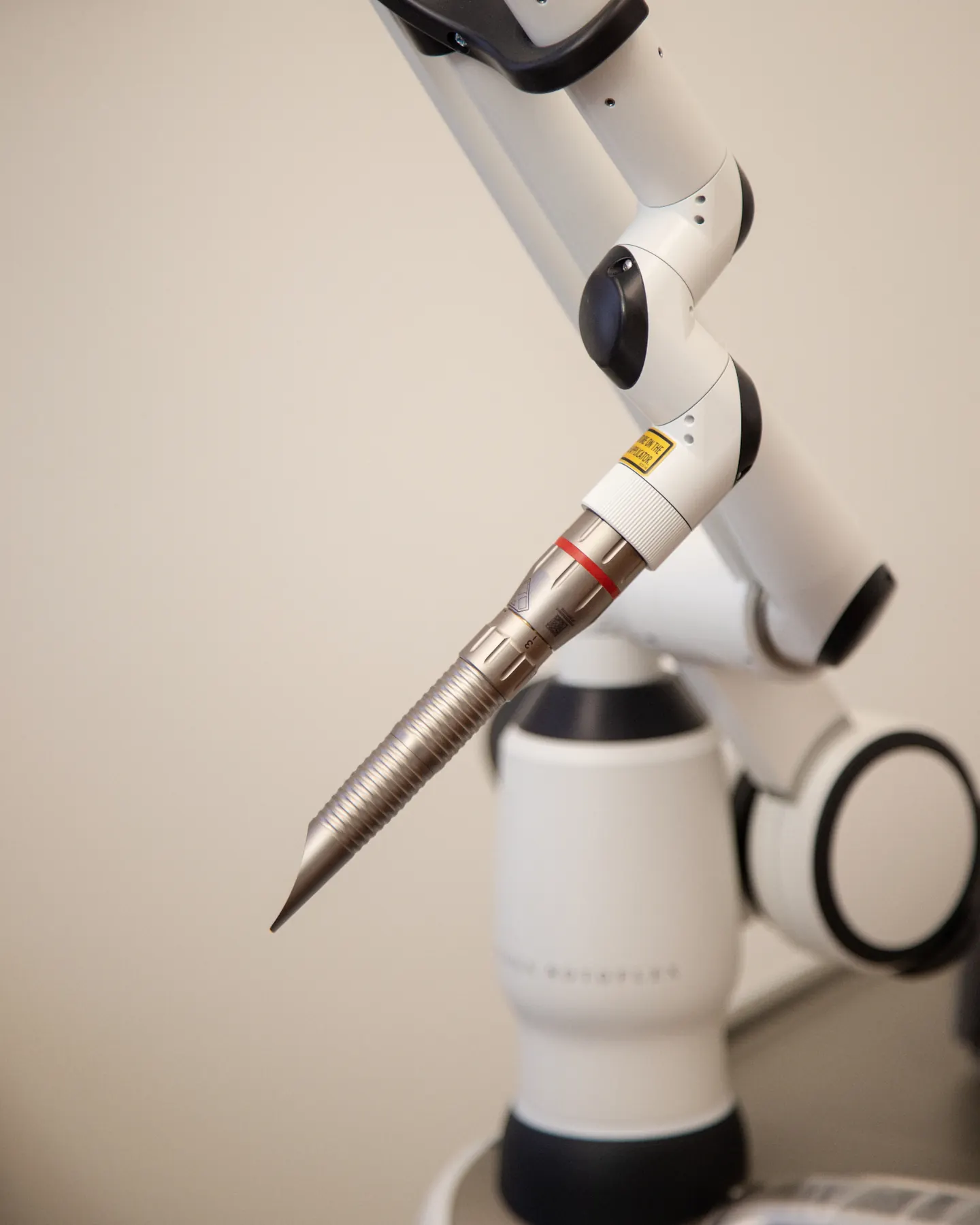
A lot of people start looking into skin tightening treatments at the same moment. It is usually not when the first line appears, but when the face begins to look a little tired even after rest, hydration, and skincare. Makeup settles differently. The jawline softens. Fine creases around the mouth and eyes stop looking temporary. At that stage, many patients want a treatment that improves texture and firmness without surgery and without the long downtime associated with aggressive resurfacing.
That is where the Fotona 4D Laser Facial, often performed with the TimeWalker platform, tends to stand out. For patients considering a Fotona 4D Laser Facial (TimeWalker) Encino, CA, the appeal is fairly straightforward. It is designed to address fine lines, mild skin laxity, uneven texture, and early volume loss through a layered treatment approach that works both inside and outside the mouth. That inside-the-mouth component is one of the details that often surprises first-time patients, but it is also part of why the treatment has developed such a loyal following among people who want visible tightening without fillers or surgery.
Why this treatment gets attention for early aging
Not every concern needs the same type of laser. That is one of the biggest points of confusion in cosmetic dermatology and aesthetic medicine. Some lasers are built to treat pigment. Some are best for redness. Others are more about deep collagen remodeling than surface correction.
Fotona 4D was designed to combine several modes of laser treatment in one session so the result feels more comprehensive. Instead of treating only the skin surface, it works at multiple depths. In practice, that matters because fine lines and loose skin rarely come from one cause alone. Patients often have a mix of collagen loss, mild tissue descent, textural change, and creasing caused by repetitive facial movement.
In Encino, where patients often want treatments that fit into busy work and social schedules, the balance between results and recovery tends to drive decision-making. A treatment can be effective, but if it leaves someone hiding at home for ten days, many people will put it off. Fotona 4D occupies a middle ground that appeals to that reality. It is more involved than a light facial laser, but generally easier to recover from than a fully ablative procedure.
What “4D” actually means
The name can sound like marketing language until you understand the treatment design. “4D” refers to four distinct treatment modes performed in sequence, each targeting a different layer or concern. Depending on the provider and the patient’s skin goals, settings may vary, but the concept remains the same: build tightening and rejuvenation from the inside out.
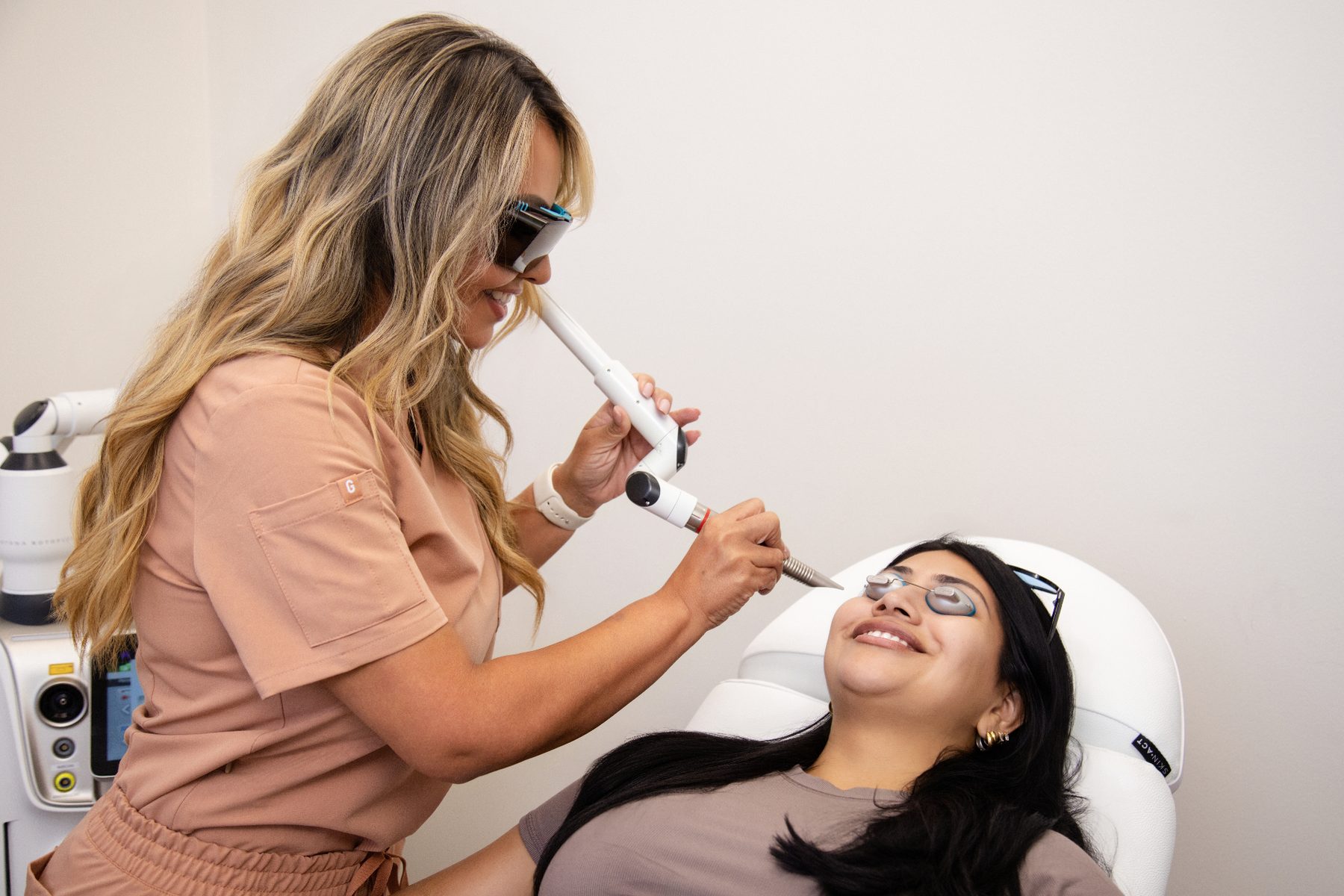
The first stage is often the smooth intraoral tightening step. The laser is used inside the mouth to heat tissue along the cheeks and around the mouth, encouraging collagen remodeling where external devices cannot directly reach as well. For patients bothered by nasolabial folds or softening around the lower face, this part can be especially useful.
Then comes a deeper tightening pass over the skin, followed by a fractional step that addresses texture and superficial lines. A final light polishing pass helps refine the overall finish. The treatment layers these effects rather than asking one setting to do everything.
That layered approach is the reason experienced providers do not usually talk about Fotona 4D as a simple “laser facial.” It is not a facial in the spa sense. It is a structured laser treatment plan aimed at tissue remodeling.
The concerns it treats best
Fotona 4D is not a cure-all, and patients do best when expectations are realistic. The ideal candidate is often someone seeing moderate early signs of aging rather than severe skin laxity. In my experience, the happiest patients are usually those who say something like, “I still look like myself, but I look less firm than I used to,” or “My skin looks crepey when I smile.”
Common treatment goals include softening:
Fine lines around the mouth, mild cheek laxity, early jowl formation, textural roughness, enlarged pores, and some under-eye creasing, depending on the treatment plan and the patient’s anatomy.
For loose skin under the chin or significant heaviness in the neck, the treatment may help modestly, but it is important not to oversell it. If someone needs a surgical lift, a non-surgical laser will not replicate that result. It may improve tone and skin quality, but it will not remove excess skin. Good providers are candid about that distinction.
What a session usually feels like
Patients often ask one practical question before anything else: does it hurt?
Most people tolerate Fotona 4D well, though “comfortable” means different things to different patients. The intraoral step feels unusual more than painful. There is warmth inside the cheeks and around the mouth, along with pressure from the handpiece. The external tightening steps can feel hot in short bursts. The fractional portion is generally the spiciest part, especially around thinner skin. Some practices use topical numbing depending on settings and patient sensitivity, while others may not need it for every stage.
A typical appointment may take around 45 minutes to a bit over an hour, sometimes longer if the provider is treating additional areas or adjusting the session carefully. Immediately afterward, most patients look flushed, similar to a brisk workout or moderate sun exposure. That can settle within hours to a couple of days, depending on how aggressive the settings were.
This is one reason the treatment works well for professionals and parents who cannot disappear for extended recovery. They may not want a treatment that leaves them raw or peeling heavily for a week. With Fotona 4D, downtime is often present but manageable.
How recovery usually unfolds
Recovery depends on intensity. A lighter treatment may leave the skin pink and a little dry for a day or two. A stronger session, especially one with more assertive fractional resurfacing, may bring mild swelling, roughness, bronzing, or a sandpaper-like texture as the skin sheds and repairs itself.
Most patients can return to non-strenuous work fairly quickly, though I usually tell people not to schedule it the day before an important event unless they know how their skin reacts. Even when downtime is technically “minimal,” residual redness can linger, and makeup does not always sit perfectly on freshly treated skin.
The first week is not the time to judge results. Early tightness can be partly swelling. Then there is often a quieter phase where the skin simply feels normal again. The more meaningful improvement develops gradually as collagen remodeling takes place over the following weeks and months.
That delayed improvement is worth emphasizing. People used to injectable treatments sometimes expect instant correction. Laser-based collagen stimulation is subtler at first and more cumulative over time.
Fine lines, loose skin, and where the treatment shines
For fine lines, Fotona 4D tends to perform best when the lines are tied to skin quality rather than deep etched folds. Think early smoker’s lines, crinkling around the cheeks, or superficial creasing that worsens with dehydration and age. When lines are very deep at rest, a laser may soften them but not erase them.
For loose skin, the treatment is strongest in the category of mild to moderate laxity. It can improve springiness and support, especially through the midface and lower face, but it works by encouraging the body to rebuild collagen, not by physically removing tissue. Patients in their late thirties through fifties often see the sweet spot, although candidacy depends more on skin quality and goals than age alone.
A useful way to think about it is this: if your concern is “I look a little deflated, lined, and less firm,” Fotona 4D may fit well. If your concern is “My skin hangs,” then the conversation needs more nuance.
Why Encino patients often ask about it
Encino patients tend to be well informed, and many have already tried medical-grade skincare, microneedling, radiofrequency, or injectables before moving toward a laser treatment. They are often not looking for a dramatic, overdone change. More often, they want a fresher version of themselves with minimal interruption to daily life.
There is also a practical side to aesthetics in Southern California. Sun exposure, dry heat, active schedules, and frequent social visibility all affect treatment choices. People want results, but they also want treatments that fit real life. A Fotona 4D Laser Facial (TimeWalker) Encino, CA conversation often starts with exactly those concerns: “Can I get tightening without surgery?” “Will I still look natural?” “How long will I be red?” “Do I need multiple sessions?”
These are the right questions, because the best outcomes usually come from matching the treatment to the patient’s timeline, tolerance for downtime, and degree of aging.
One treatment or a series?
This depends on goals and baseline skin condition. Some patients notice improvement after one session, especially in skin texture and brightness. For tightening and collagen remodeling, a series is commonly recommended. The reason is simple: collagen builds gradually, and repeated stimulation tends to create a more meaningful result.
A reasonable expectation is that mild concerns may respond well to a smaller series, while more established laxity or textural change often benefits from multiple sessions spaced over time. Maintenance also matters. Skin continues to age, sun damage continues unless protected against, and collagen does not stay fixed forever.
A good provider should be comfortable discussing this without hard selling. If someone promises that one treatment will permanently lift everything, that is usually a sign to ask tougher questions.
Where it fits compared with other options
People considering Fotona 4D are often also comparing it with microneedling with radiofrequency, ultrasound-based tightening, traditional fractional lasers, or injectables. Each has a place.
Injectables can restore volume or relax expression lines quickly, but they do not resurface the skin in the same way. Traditional ablative lasers can be more dramatic for texture and deep wrinkles, but downtime is heavier. Radiofrequency microneedling can be excellent for acne scarring and tightening, though not every patient tolerates it equally well, and it works through a different mechanism.
Fotona 4D stands out for combining internal and external tissue stimulation with fractional resurfacing in one session. That combination can create a “better skin and firmer skin” effect at the same time. It is especially attractive to patients who want visible improvement while avoiding the commitment of surgery or the recovery of a more aggressive resurfacing treatment.
That said, combination care is common in real practice. Some patients do very well with Fotona 4D plus a conservative amount of filler. Others combine it with neuromodulators, skincare, or later-stage maintenance treatments. Rarely is one modality the answer to everything.
The consultation matters more than the device name
This point gets overlooked. Patients sometimes fixate on the brand or technology and assume the device alone determines the result. In reality, provider judgment matters just as much.
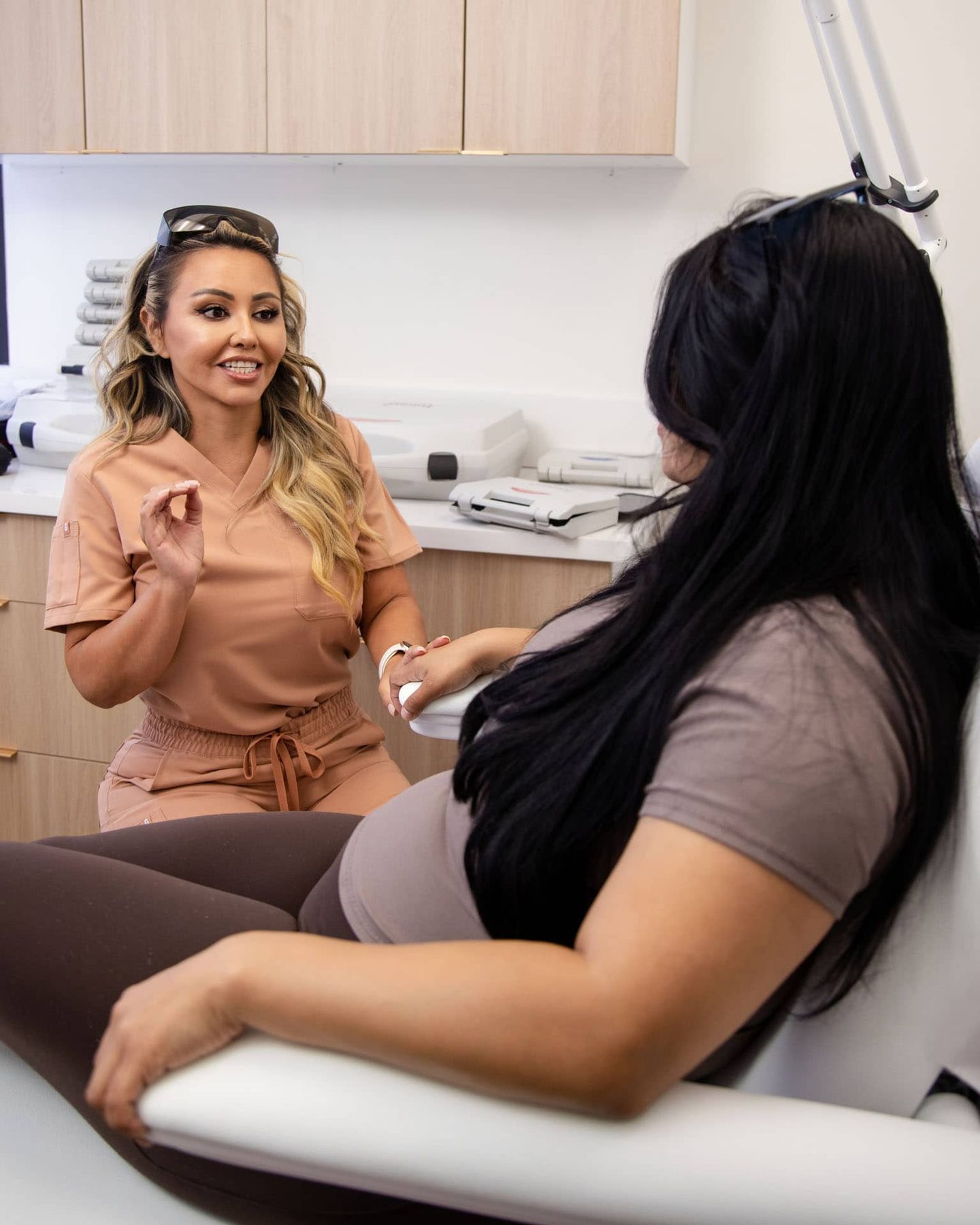
Two practices can offer the same laser and produce very different outcomes because settings, patient selection, treatment depth, and treatment planning vary. An experienced clinician will assess skin thickness, degree of laxity, pigmentation history, sensitivity, healing patterns, and whether the treatment should be done gently, aggressively, or not at all.
A thoughtful consultation should cover:
- What concerns are likely to improve and which are less responsive
- How many sessions may be needed for realistic results
- Expected downtime based on actual treatment settings
- Risks for your skin type, including pigment changes or prolonged redness
- Whether another treatment would suit your goals better
That kind of honesty usually predicts better outcomes than flashy before-and-after language.
Skin types, safety, and important caveats
One advantage of the Fotona platform is its versatility, but safety still depends on the individual. Patients with darker skin tones, a history of post-inflammatory hyperpigmentation, melasma, cold sores, or recent tanning need careful planning. None of those automatically disqualify someone, but they do change how the treatment should be approached.
Sun exposure before and after treatment is a genuine issue in Encino. Even patients who are diligent with sunscreen often underestimate incidental sun from errands, driving, walking the dog, or sitting near windows. Freshly treated skin is more reactive, and sun protection after treatment is not optional if you want a smooth recovery and durable results.
Active acne breakouts, skin infections, open wounds, and certain medications can also influence timing. It is worth mentioning every product and treatment you are using, including retinoids, exfoliating acids, and at-home devices. People often leave those out because they seem minor, but they can affect skin sensitivity.
What the skin looks like when it works well
The best Fotona 4D results are often easiest to appreciate in motion and in daylight. The skin looks tighter around the lower face. Fine creases catch less light. The cheeks reflect light more evenly. Makeup sits better. Patients may not look “done,” but they often look rested, clearer, and a bit firmer.
That subtlety is part of the appeal. Many people do not want compliments on a procedure. They want comments like “You look good,” “Did you change your skincare?” or “You look less tired.”
The treatment can also be useful for patients who are not ready for injectables or who want Fotona 4D Laser Facial (TimeWalker) Encino, CA to do less filler over time. While lasers do not replace volume restoration in every case, improving skin quality can reduce the urge to chase every sign of aging with added product. Sometimes firmer, smoother skin does more for overall appearance than extra volume would.
Practical preparation before your appointment
Preparation does not need to be elaborate, but it does need to be sensible. If a patient shows up recently tanned, over-exfoliated, or after trying three new actives that week, the skin can become far more reactive than necessary.
A simple pre-treatment approach usually works best:
- Avoid unnecessary sun exposure before treatment
- Pause irritating skincare if your provider advises it
- Come with clean skin unless told otherwise
- Disclose any history of cold sores or pigment issues
- Plan a few lighter days socially, just in case your skin runs red
Patients who build in a little flexibility usually feel much less stressed afterward. The skin often behaves well, but it is nice not to have a photo session or formal event the next morning.
Cost, value, and how to think about the investment
Pricing varies by provider, treatment intensity, and whether the face alone or additional areas are included. A session in a market like Encino may cost more than in smaller areas, but cost should be weighed against provider expertise, customization, and device quality, not just the number on the quote.
The more useful question is not “What is the cheapest laser facial?” but “What treatment gives me the most meaningful change for my actual concern?” A bargain treatment that does very little is not a bargain. On the other hand, an expensive treatment that is too aggressive for your needs is not good value either.
Patients generally feel this treatment is worth it when they are seeking gradual, natural-looking improvement in fine lines and mild laxity, and when they understand that results come from collagen remodeling rather than instant lifting.
Who tends to be happiest with Fotona 4D
The strongest candidates are often patients with early to moderate aging changes who want visible improvement without surgery, significant downtime, or dramatic alteration. They appreciate that skin quality matters just as much as wrinkle count.
They also tend to be patient enough to let the treatment do what it is designed to do. That sounds obvious, but it matters. Someone who wants a one-day transformation may be better OMNIA Wellness Center Fotona 4D Laser Facial (TimeWalker) Encino, CA suited for another path. Someone who wants to invest in firmer, smoother skin over time often does very well.
For the right patient, a Fotona 4D Laser Facial (TimeWalker) Encino, CA can be an elegant option. It addresses fine lines and loose skin through layered collagen stimulation, offers a natural result profile, and fits well into the treatment plans of people who want to age well without jumping straight to surgery. The key is choosing a provider who understands not just the device, but the face in front of them.
OMNIA Wellness Center
16430 Ventura Blvd Ste 207, Encino, CA 91436
Phone: +1 818-386-8511
FAQ About Fotona 4D Laser Facial (TimeWalker) Encino, CA
What is a Fotona laser good for?
Fotona lasers support several different aesthetic protocols. The Fotona 4D facial uses two wavelengths and four treatment modes to address concerns such as fine lines, skin texture, and mild laxity. OMNIA Wellness Center offers the TimeWalker facial with an individual consultation. Suitability and likely improvement depend on the person's skin and goals; results are not guaranteed, and this treatment does not reproduce a surgical facelift.
How much does a Fotona laser treatment cost?
The cost depends on the treatment protocol, areas treated, number of sessions, and provider's assessment. Ask OMNIA Wellness Center for a current written quote that explains what is included, whether follow-up is included, and any proposed package terms. An individualized estimate is more useful than assuming that one advertised price applies to every facial treatment.
How much downtime is there after a Fotona laser procedure?
Recovery varies with the specific protocol and intensity. Fotona describes its 4D facial as having little to no downtime, but temporary redness or sensitivity can occur, and a stronger surface treatment can require more recovery. Ask the treating clinician what to expect from the planned settings, how to care for the skin afterward, and when to contact the clinic with concerns.